On this page, I’m summarizing and sharing everything I’ve found related to Jung and Young Adults. Enjoy!
Navigate quickly to:
- My most important source
- The stages of life as described by Jung
- About the first half of life
- What Jung said himself
- This Jungian Life’s episode about adolescence
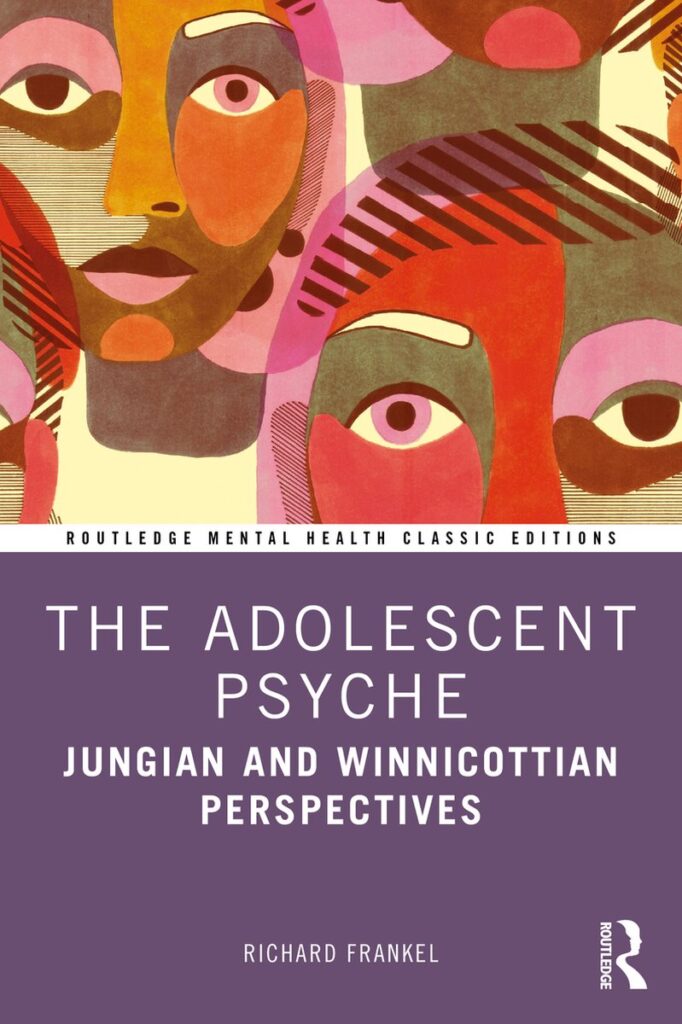
My most important source: The Adolescent Psyche by Richard Frankel
“Those familiar with Jungian psychology know that Jung and post-Jungians have had little to offer clinicians regarding adolescence. Jung’s developmental interests were largely confined to mid and later life.”
“Through building in us a respect for the psychological work that is being done in adolescence, and by helping us see the barrier created by our own envy of youth’s vision and energy, Frankel is able to help the reader step toward what he or she initially judged as outlandish, horrific, developmentally off-track.”
The Stages of Life as described by Jung, explained and clarified by Joanna Eunice V. Parungao
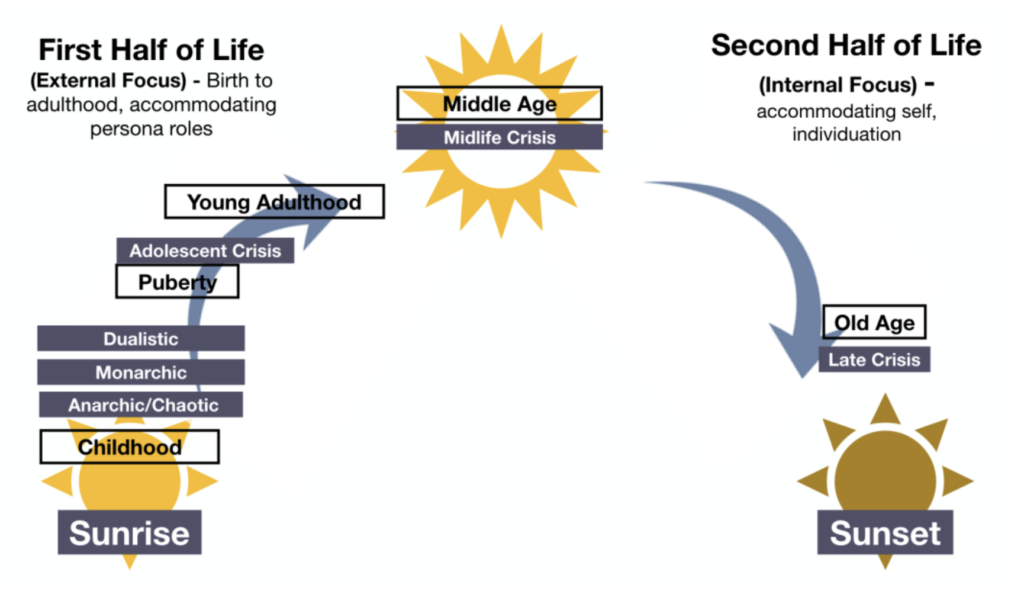
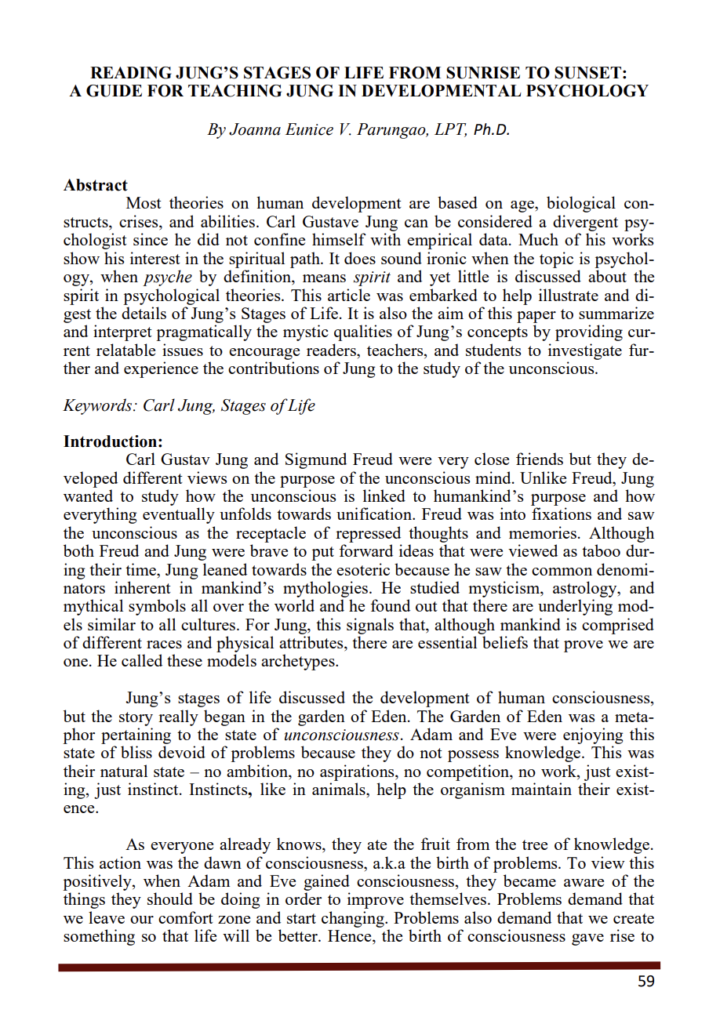
What this paper explains about the first half of life
“Jung’s stages of life discussed the development of human consciousness.”
“The bulk of work to be done in the first half of life entails the development of the persona, while in the second half of life, the person needs to focus inwardly to achieve individuation.”
“A healthy persona adapts, is balanced, unique, able to deal with tension, seeks out solutions, approaches problems instead of avoiding them, relates with others, performs duties, is interdependent with others, proactive. Thus to develop a persona would entail education and widening of horizons; basically finding your place under the sun!“
“This takes effort, consumes resources, may require a person to practice healthy competition, to risk being in love, achieving real intimacy with another by surrendering. Indeed, the first half of life is a lot of work.”
Jung’s literal words in his essay The Stages of Life
“We are all familiar with the sources of the problems that arise in the period of youth. For most people it is the demands of life which harshly put an end to the dream of childhood. If the individual is sufficiently well prepared, the transition to a profession or career can take place smoothly. But if he [or she] clings to illusions that are contrary to reality, then problems will surely arise. “

“If we try to extract the common and essential factors from the almost inexhaustible variety of individual problems found in the period of youth, we meet in all cases with one particular feature: a more or less patent clinging to the childhood level of consciousness, a resistance to the fateful forces in and around us which would involve us in the world.”